
Orthodontic Treatment
Treatment types, modern techniques, preparation and aftercare
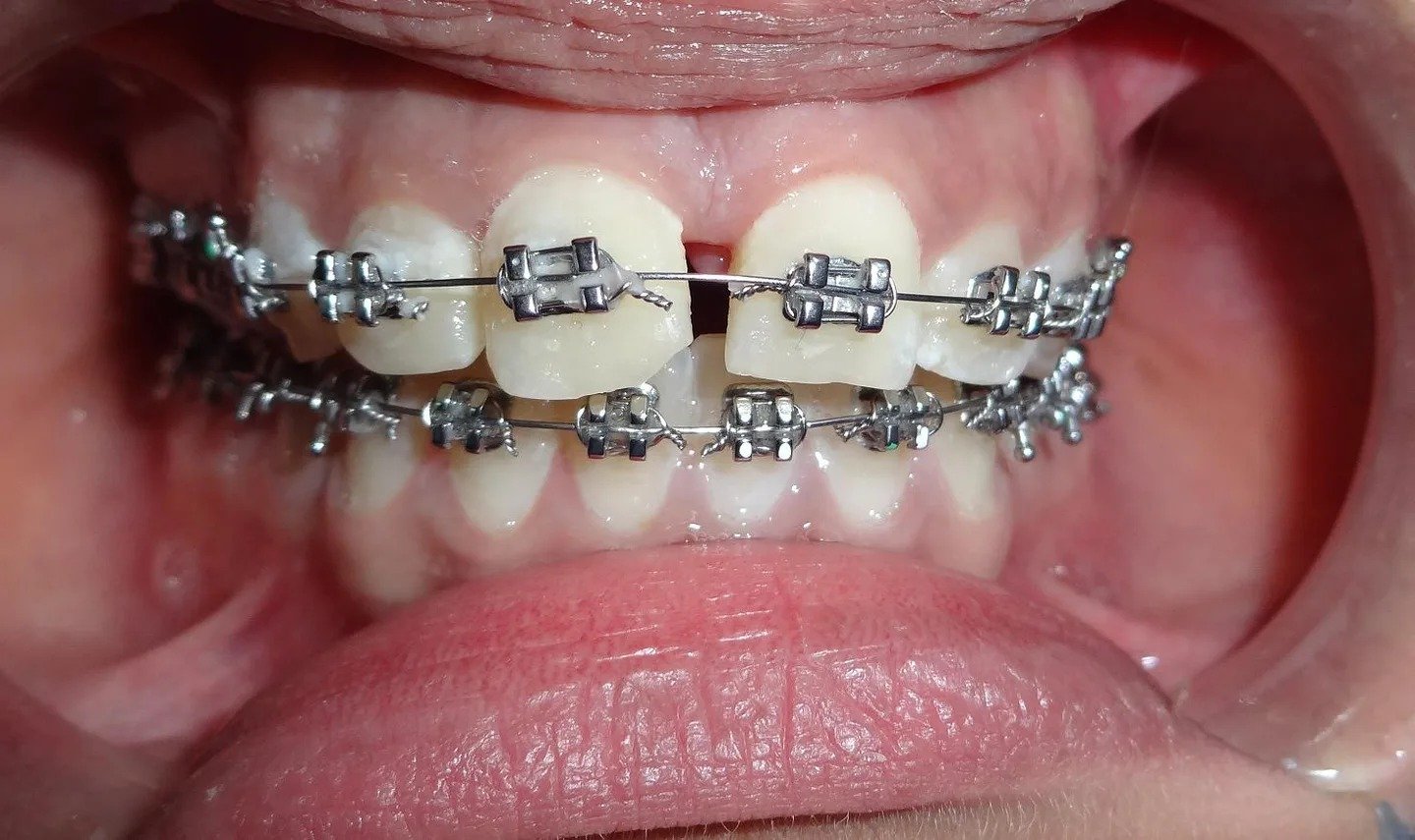
Introduction
Orthodontic treatment aims to improve the alignment of the teeth and the relationship between the upper and lower teeth when the mouth closes. The way the teeth meet is called the bite or occlusion. Treatment may aim to improve chewing, address crowding or spaces, make certain areas easier to clean, or improve the appearance of the smile. Goals vary from one person to another.
Impala Dental presents this guide to explain common options in clear language and help readers understand what to discuss with an orthodontist. An appliance should not be selected from a photograph or advertisement. The decision follows an examination of the teeth, gums, bite and jaws, and a treatment plan suited to the individual. Appliance suitability and treatment time vary with the diagnosis, the body’s response and the patient’s adherence. [1, 2]
When is an orthodontic assessment recommended?
An orthodontic assessment may be recommended when teeth are crowded or overlapping, spaces are present, the front teeth protrude, or the teeth do not meet properly when the mouth closes. Findings may include a deep bite, open bite or crossbite. One sign alone does not necessarily mean treatment is needed; the decision depends on its severity, its effects, oral health and the clinician’s assessment.
At Impala Dental, we emphasize that an early assessment can clarify the problem and the available options, but it does not mean treatment must start immediately. Monitoring alone may be appropriate in some cases, while others may benefit from orthodontic treatment after the teeth and gums have been fully assessed.
Common forms of crowding and bite problems
Before discussing an appliance, the orthodontist identifies the type and location of the problem. Two smiles may look similar while the underlying causes differ. The issue may involve tooth angulation or rotation, the way the upper and lower teeth fit together, or, in some cases, the relationship between the jaws. A facial photograph alone is not enough to establish a diagnosis.
Crowding and spacing
Crowding occurs when there is not enough room in the dental arch to align the teeth, causing them to rotate or overlap. Spaces may be associated with differences in tooth and jaw size or other factors the orthodontist will assess. Crowded areas can be harder to clean, but crowding severity alone does not determine whether treatment is necessary or which appliance should be used.
Deep bite
A deep bite is an excessive vertical overlap of the front teeth. The orthodontist assesses the amount of overlap, the relationship of the back teeth, and the health of the teeth and gums before deciding whether correction is appropriate and how it may be achieved. The need for treatment cannot be judged from a single front-facing photograph.
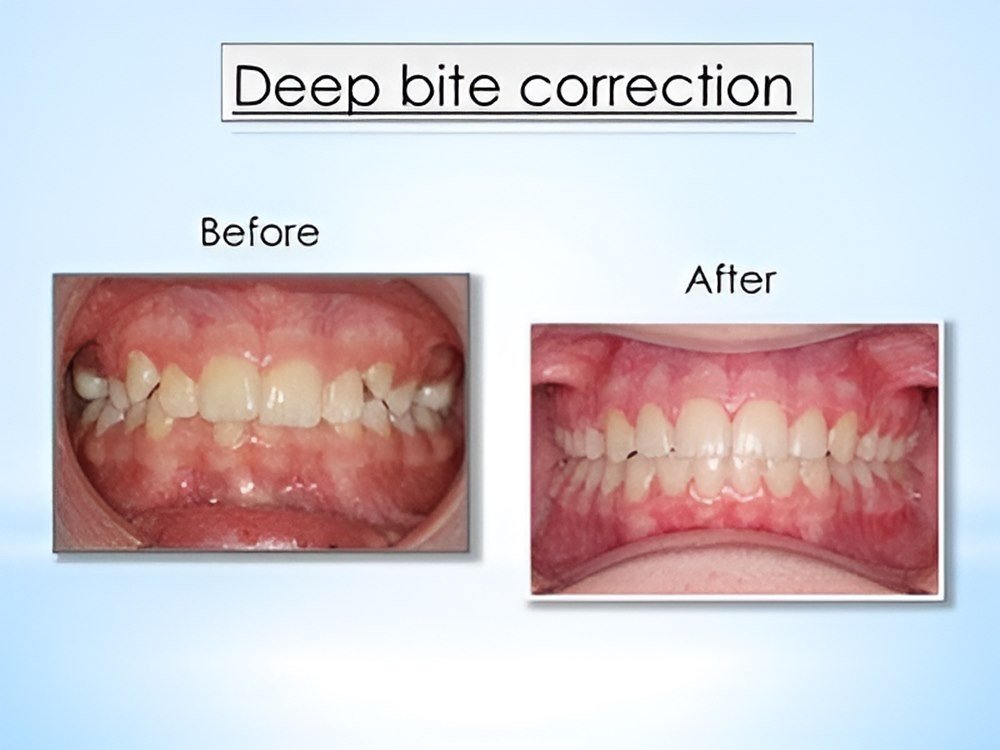
Published clinical example of a deep bite before and after treatment
Image source: Phelan Orthodontics, case gallery
Open bite
An open bite is present when a gap remains between some upper and lower teeth while the mouth is closed. It may be at the front or back of the mouth and can be related to dental, skeletal or oral-habit factors. The clinician identifies the cause and complexity before selecting treatment; plans can differ considerably between patients.
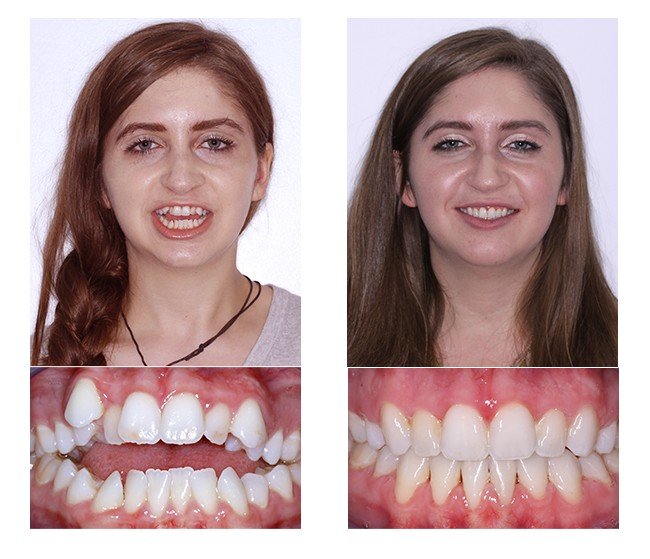
Published clinical example showing the result of open-bite treatment
Image source: Palladium Orthodontics, before-and-after gallery
Crossbite
In a crossbite, one or more upper teeth sit inside the lower teeth when the mouth closes. It may affect the front or back teeth. An examination determines whether it is related to tooth position or jaw relationships, since this affects both the plan and timing of treatment.
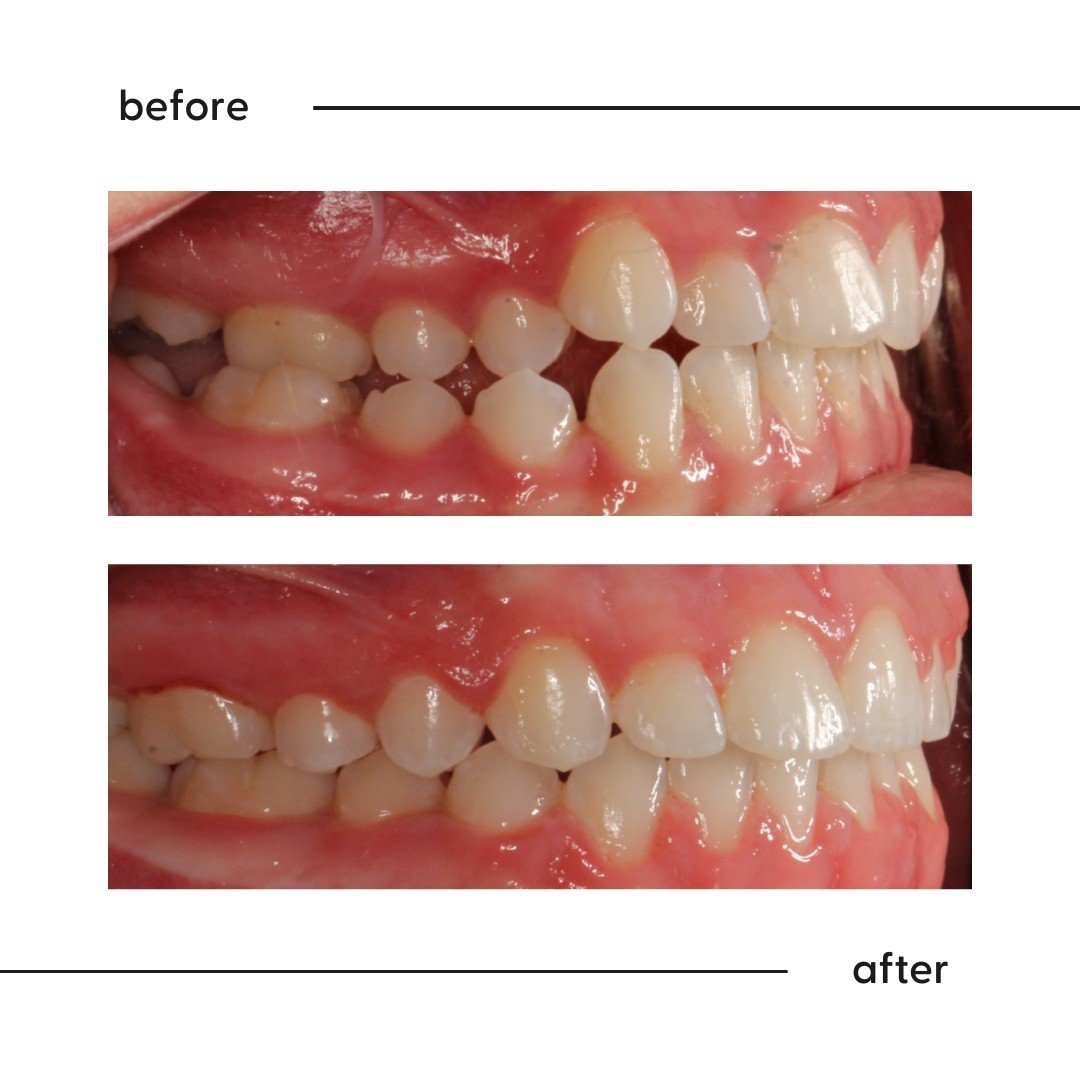
Published clinical example of posterior crossbite correction
Image source: Milk Orthodontics, case gallery
Increased overjet
Overjet is the horizontal distance between the upper and lower front teeth when viewed from the side. It differs from a deep bite, which describes vertical overlap. The orthodontist may assess the teeth and jaws, the amount of overjet, its functional effects and, in some cases, the risk of injury to protruding front teeth.
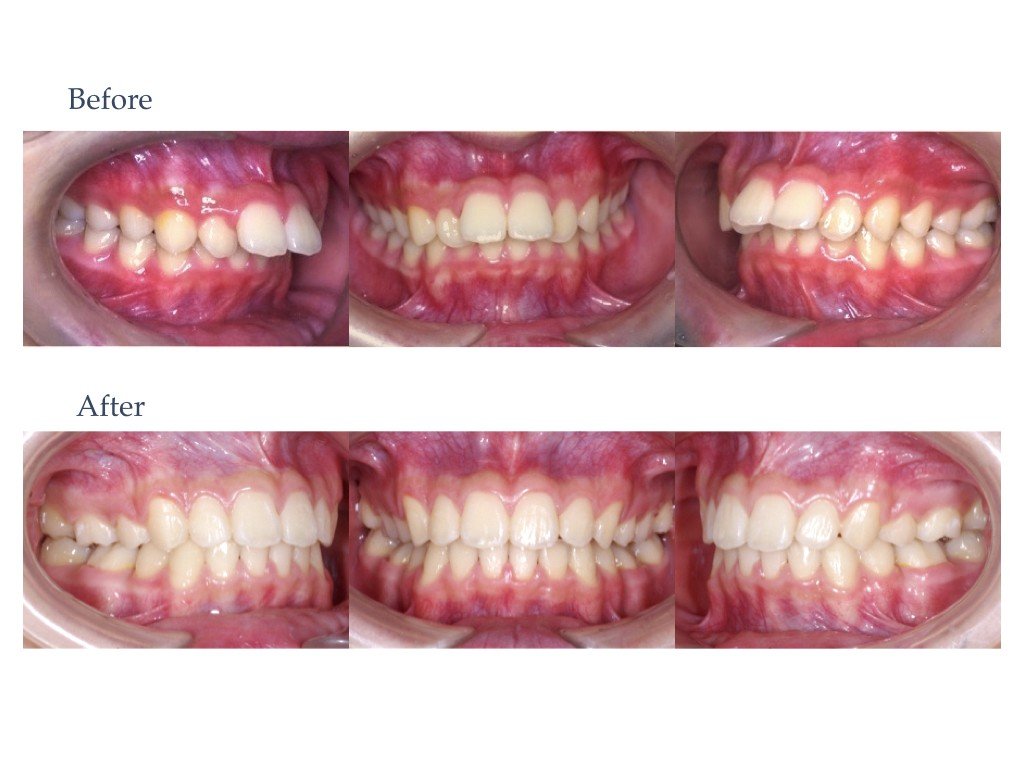
Published clinical example of treatment for protruding front teeth
Image source: Akirado Dental Clinic, clinical case documentation
Impacted or delayed-erupting tooth
A tooth may erupt late or remain partly within the bone or gum. The orthodontist determines its position, direction and available space and may request imaging when needed. Some cases require collaboration between specialists. A published photograph does not mean every impacted tooth will be treated in the same way.
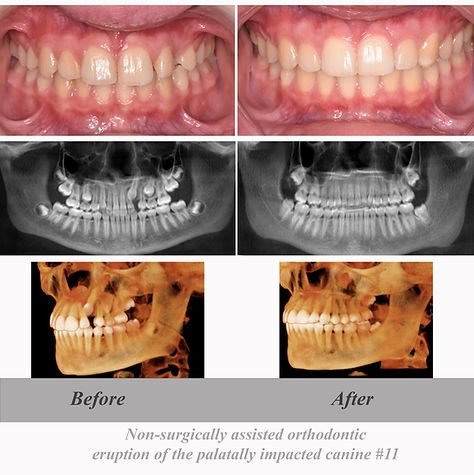
Published case images of an impacted canine before it was guided into the dental arch
Image source: Dr. Grace Orthodontics, treatment gallery
Case photographs are shown for illustration only. They cannot diagnose a reader or predict the same result; treatment plans depend on examination and diagnostic records.
How does diagnosis begin?
Consultation and clinical examination
The orthodontist discusses what the patient has noticed and hopes to improve, then examines the teeth, gums, bite and jaw movement. They may ask about previous dental injuries, current dental treatment, relevant medical conditions and medications.
Diagnostic records and images
Depending on the case, the orthodontist may take photographs of the teeth and face, request X-rays, or record the teeth with a conventional impression or an intraoral digital scan. These records help build the diagnosis and plan. Not every patient needs the same set of investigations.
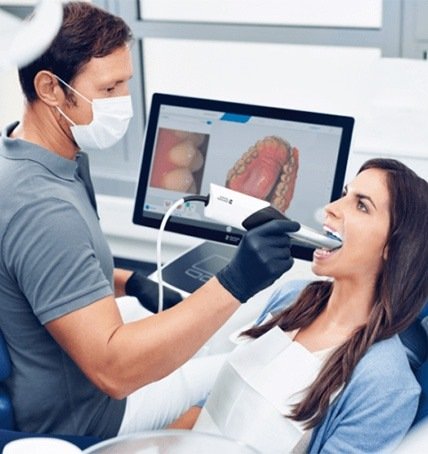
An intraoral digital scan records the shape of the teeth
Image source: Hall Orthodontics & TMJ, iTero technology page
An intraoral scanner records the shape of the teeth digitally. The data may support diagnosis, planning or the manufacture of some appliances. Three-dimensional treatment planning can help visualize stages of care, but it cannot guarantee an outcome that exactly matches a simulation. Biological response, follow-up and adherence all affect the result.
Main types of orthodontic treatment
1. Traditional fixed metal braces
Traditional fixed metal braces usually consist of brackets bonded to the teeth and an archwire that passes through them. The orthodontist adjusts the appliance over time to guide tooth movement according to the treatment plan.
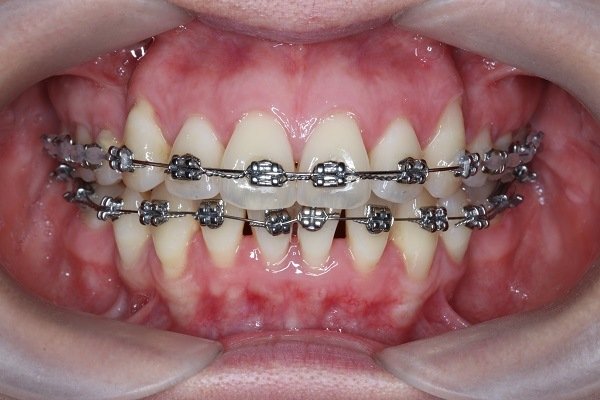
Metal brackets bonded to the teeth with an archwire
Image source: Chinese Medical Association, orthodontic educational material
Because they remain fixed, they do not rely on the patient remembering to wear them and can be used in a wide range of treatment plans. They require careful cleaning around brackets and wires, and avoiding hard or sticky foods that may damage the appliance. Temporary pressure or sensitivity may occur after placement or adjustment.
2. Ceramic or tooth-coloured braces
Ceramic braces use ceramic or light-coloured brackets and work on a principle similar to metal braces. Some patients choose them because the brackets are less noticeable than metal ones, although the wire may still be visible to varying degrees.
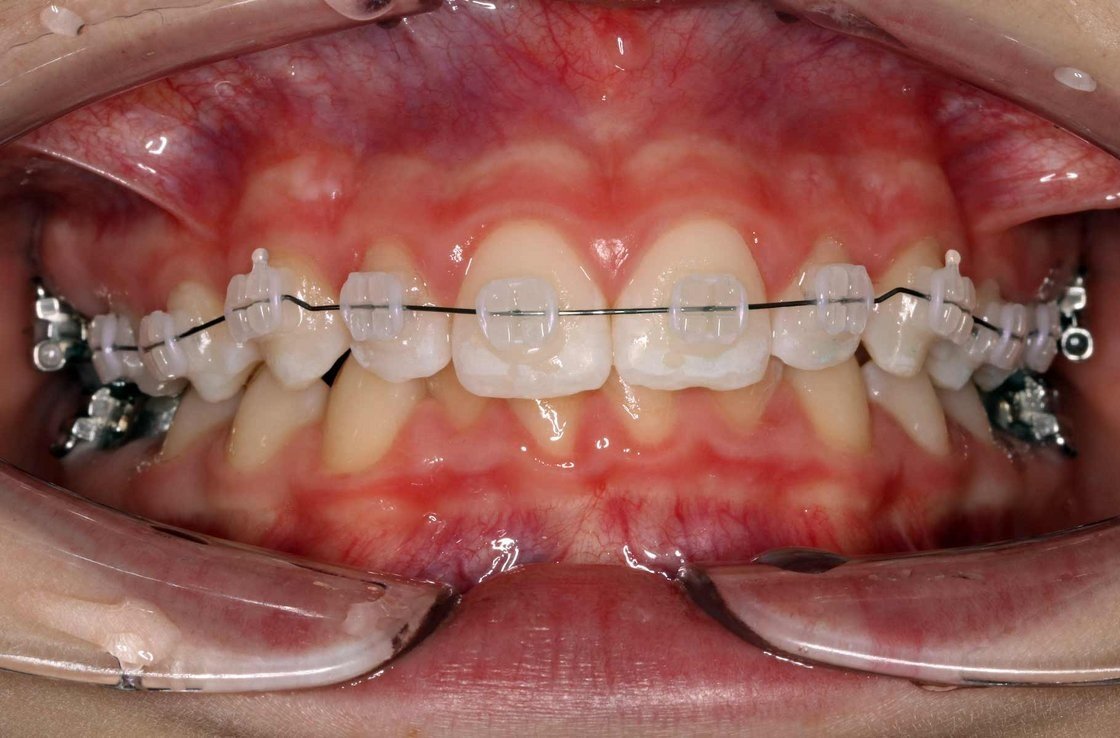
Relatively translucent ceramic brackets with an orthodontic wire
Image source: University Hospital Ulm, Orthodontics Department
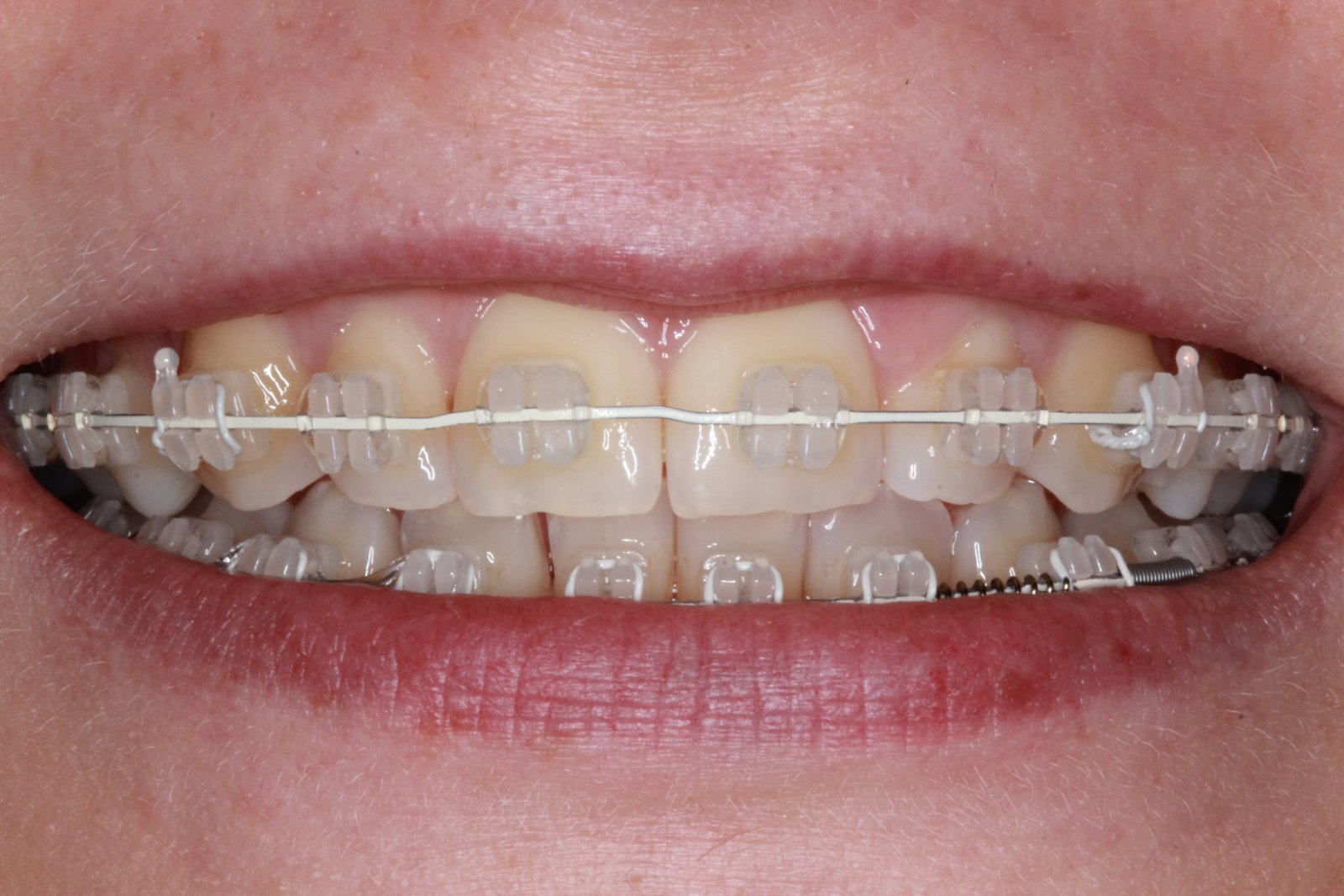
Another clinical image of ceramic brackets and their components
Image source: Kingston Orthodontics, fixed-braces guide
Ceramic braces need thorough cleaning and care to avoid damage. They are not suitable for every plan; the orthodontist determines their suitability based on the required tooth movements and dental condition. [2, 3]
3. Lingual braces
Lingual braces are attached to the inner surfaces of the teeth, facing the tongue, rather than the front surfaces. They are therefore less visible when viewed from the front.
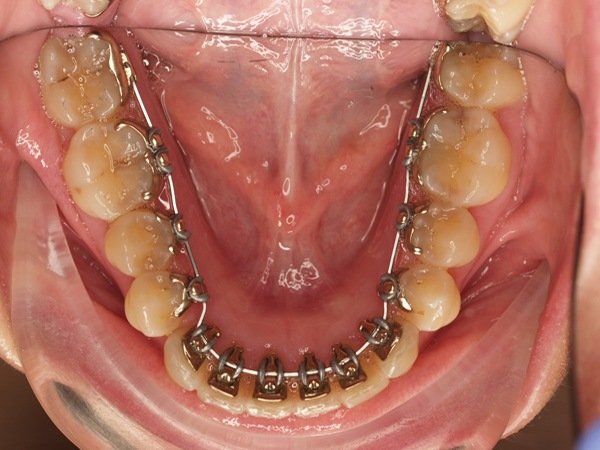
Brackets attached to the inner surfaces of the teeth
Image source: Kingston Orthodontics, lingual braces page
Patients may need time to adapt. Tongue irritation or temporary changes in the pronunciation of some sounds can occur. Placement and adjustment require specific expertise, and lingual braces are not available or appropriate for every case. [2]
4. Removable clear aligners
Clear aligners are custom-made trays that fit over the teeth. Patients use a series of trays in sequence. They can be removed for eating and cleaning the teeth, then reinserted according to the orthodontist’s instructions.
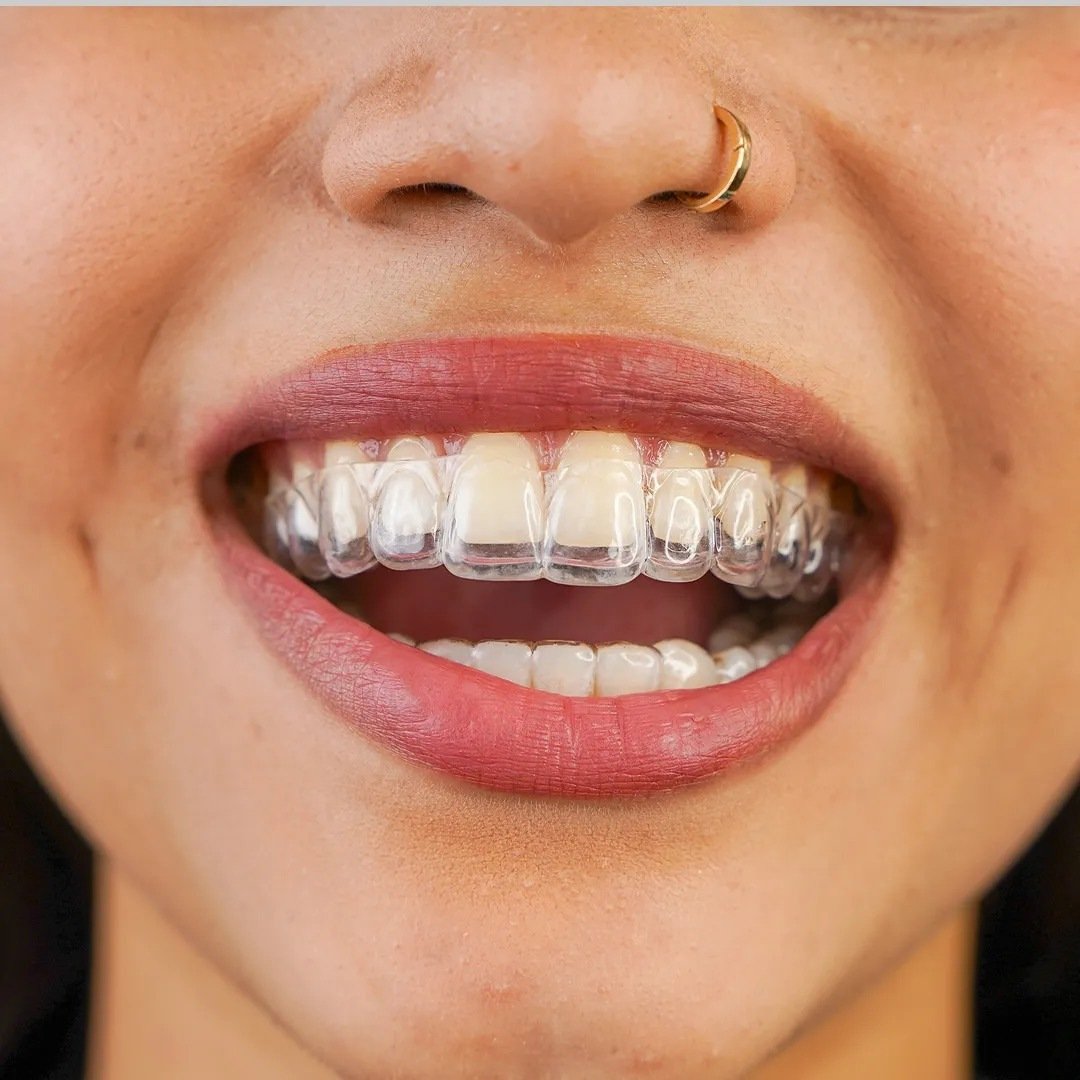
A patient wearing clear aligners
Image source: Arc Dental, clear-aligner treatment information
Aligners require wearing them for the duration prescribed by the orthodontist, cleaning the teeth before putting them back in, and storing them in their case when removed. They are not suitable for every type of tooth movement or bite problem. Suitability is determined after examination and review of the plan. [2, 4]
Attachments used with aligners
The orthodontist may bond small tooth-coloured shapes, called attachments, to selected teeth. These help the aligner grip a tooth and apply the planned movement. The orthodontist determines whether attachments are needed and where they should be placed. They may be visible when the aligner is removed.
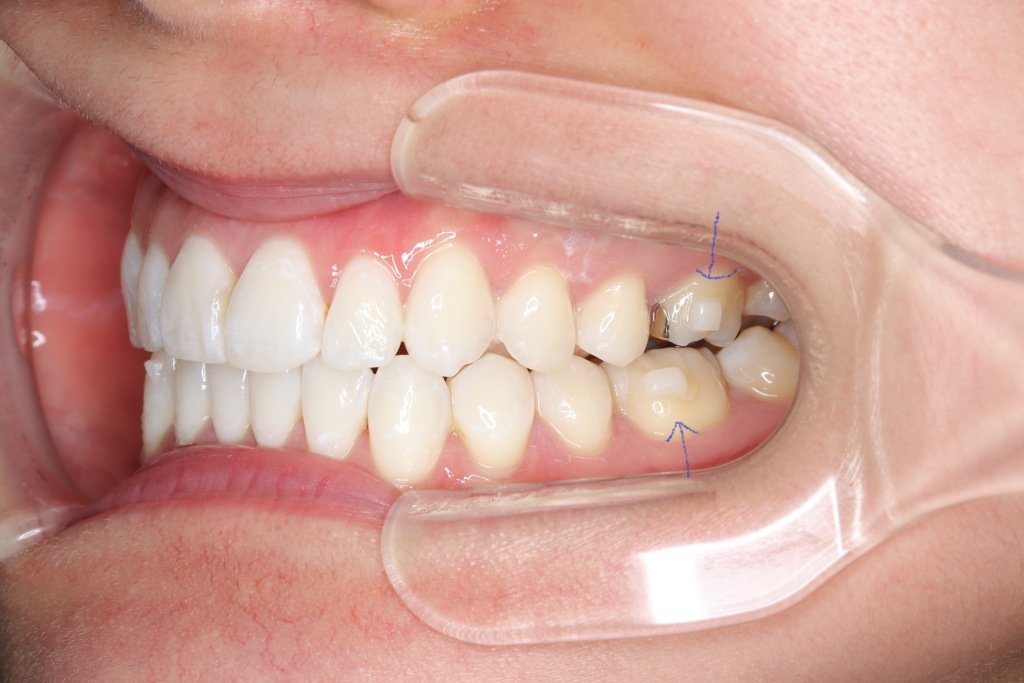
Tooth-coloured attachments with a clear aligner
Image source: Sapporo MA Orthodontics, guide to aligner attachments
Other designs and auxiliaries
Self-ligating brackets
Self-ligating brackets include a small clip that holds the wire in place instead of some conventional ligatures. They may be metal or ceramic. This describes the bracket design alone; it does not mean treatment is faster or better for every patient. The decision depends on diagnosis and the treatment plan.
Orthodontic elastics
The orthodontist may prescribe elastics connecting parts of the upper and lower braces, called intermaxillary elastics. The orthodontist specifies where and how long to wear them. Do not double them or change how they are used without professional guidance.
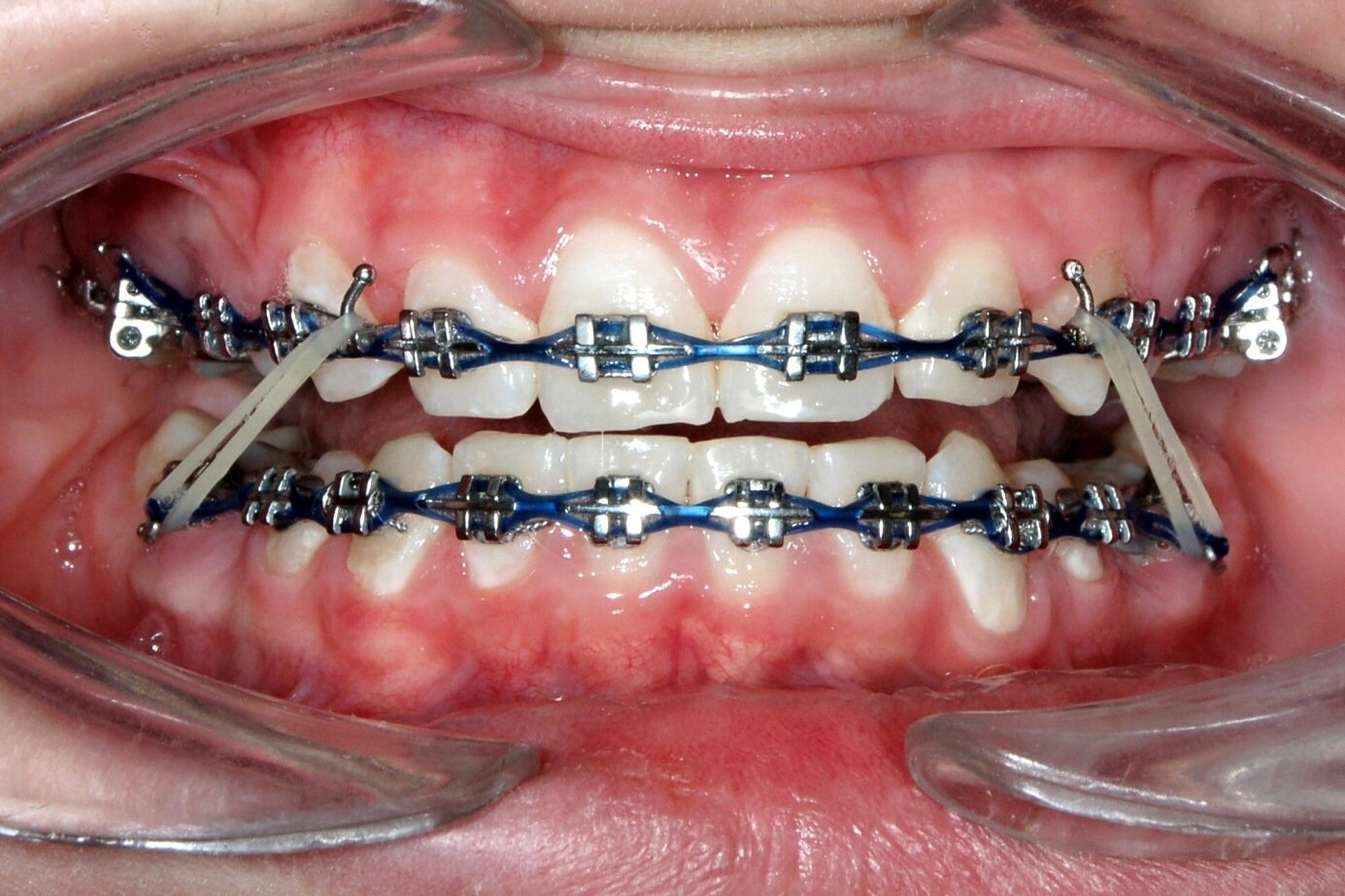
Elastics connecting the upper and lower teeth as part of an orthodontic plan
Image source: Rovnatka Orto, fixed-appliance components page
Brief comparison of treatment options
| Type | Position | Removable | Practical note |
|---|---|---|---|
| Fixed metal | Front of the teeth | No | Clean around brackets and wires |
| Ceramic | Front of the teeth | No | Often less noticeable; requires careful cleaning |
| Lingual | Behind the teeth | No | The tongue and speech may need time to adapt |
| Clear aligners | Cover the teeth | Yes | Success depends on wearing them as directed |
This general comparison does not replace an examination. Treatment plans may differ even for people whose teeth look similar.
From diagnosis to completion of treatment
1. Gathering information and identifying the problem
After the examination, the orthodontist gathers the information needed about the teeth, gums, bite and jaws. This may include photographs, X-rays or a digital scan. The orthodontist selects records appropriate to the case. They help show tooth and root positions and available space; every patient does not need the same investigations.
2. Discussing alternatives and the treatment plan
The orthodontist explains the problem, possible options and the realistic outcome treatment is intended to achieve. The plan may include fixed braces, aligners, an auxiliary appliance or more than one phase. The discussion should cover an estimated duration, follow-up visits, the patient’s responsibilities, potential risks and retention after treatment.
3. Preparing oral health
If there is active tooth decay, gum inflammation or inadequate oral hygiene, the orthodontist may delay fitting an appliance until the problem has been treated and oral health is stable. Routine dental examinations remain important during orthodontic treatment; monitoring tooth alignment does not replace care for the teeth and gums.
4. Fitting the appliance or delivering aligners
For fixed braces, brackets are bonded to the teeth and the wire is fitted. The patient may receive specific instructions about eating and cleaning. For aligners, the patient receives a series of trays and learns how to insert, remove and clean them and when to move to the next tray. Do not use a commercial, non-custom appliance without orthodontic assessment and supervision.
5. Reviews and adjustments
Regular visits allow the orthodontist to assess tooth movement, gum health, appliance condition and adherence. The wire, elastics or aligner sequence may be adjusted. Review intervals depend on the appliance and the case, so patients should follow the schedule set by their clinic.
6. Completion and retention
When the treatment goals are reached, the orthodontist removes fixed braces or completes the aligner series, then decides on retention. A removable retainer, a fixed retainer or a combination may be recommended. The orthodontist explains how to care for it and when to return for review, since maintaining alignment requires follow-up after active tooth movement ends. [6, 8]
Orthodontic treatment at different ages
Children
A dentist may recommend an orthodontic assessment for a child when a problem appears with tooth eruption, the bite or jaw growth. Referral does not mean the child needs an appliance immediately. In some cases, the orthodontist monitors growth and identifies the right time to intervene. Timing depends on the problem, the child’s development and oral health.
Teenagers
Many teenagers have their permanent teeth, and the orthodontist may discuss treatment after assessing eruption and jaw growth. Cleaning and attending reviews are important. Before starting, the teenager and family should understand the appliance and retainer requirements.
Adults
Adults can also be assessed for orthodontic treatment. The orthodontist reviews gum and bone health, teeth, existing restorations, medical conditions and previous treatment. A plan may differ from one for a teenager, but age alone does not determine whether treatment is possible or which type is appropriate. [1, 9]
Does orthodontic treatment require tooth extraction?
Not every orthodontic treatment requires extraction. The orthodontist discusses extraction only when space, tooth relationships or treatment goals indicate it may be needed, after considering alternatives, benefits and risks. Some patients do not need an extraction, while certain cases may require additional space or coordination with other care.
Other approaches may be considered in some cases, such as expansion of the dental arch or limited, carefully planned interproximal reduction. Each procedure has indications and limits. The orthodontist should explain why it is proposed and how it affects the plan. The need for extraction cannot be determined from a smile photograph or another person’s experience.
Advice before treatment begins
• Complete dental and gum examinations, and treat problems identified by the clinician before the appliance is fitted.
• Tell the orthodontist about previous dental injuries, current dental treatment, medications and relevant health conditions.
• Ask which options suit you and how they differ in care, adherence and appearance.
• Ask about the estimated duration, review visits, expected outcomes and potential risks.
• Establish regular cleaning habits; daily care is part of a successful plan.
• Do not rely on a friend’s experience or a brand advertisement; appliance suitability follows diagnosis.
Impala Dental notes that a good consultation involves more than choosing an appliance’s appearance. It includes understanding the problem, explaining alternatives and discussing the patient’s responsibilities before treatment begins.
Benefits, limitations and potential risks
Orthodontic treatment may help correct some alignment and bite problems and support a patient’s functional or aesthetic goals. Every plan has limits, and no single appearance or duration can be guaranteed for everyone. Before treatment begins, the orthodontist discusses expected benefits, alternatives and risks related to the patient’s condition.
Tooth decay and white spots
Plaque can collect around brackets if teeth are not cleaned thoroughly. Poor cleaning and frequent sugar exposure may contribute to gum inflammation or white spots caused by mineral loss from enamel, and decay may develop. These risks make daily care and routine dental follow-up essential parts of treatment. [10, 11]
Tooth sensitivity and mouth irritation
Temporary pressure or sensitivity may occur after an appliance is fitted or adjusted, or when a new aligner is started. Some parts may rub against the cheek, lip or tongue. If pain is severe or persistent, or an appliance causes a worsening sore, contact the clinic for advice suited to the situation.
Tooth movement, roots and gums
Tooth movement requires professional monitoring. Some patients may experience changes involving roots or gums; risks are affected by individual factors and the condition of the teeth and tissues as well as the plan. The orthodontist explains relevant risks and monitors the response during treatment. Do not try to speed tooth movement by changing the appliance or increasing elastics yourself. [12]
Teeth shifting after treatment
Teeth may move over time after treatment, to varying degrees. The orthodontist therefore provides a retainer plan and explains how to use and review it. Not following the plan may allow alignment to change, although the amount of movement differs and cannot be predicted precisely for each person. [6, 8]
This section provides general information. Before consent to treatment, the orthodontist should explain the risks that apply to the individual case.
Care during orthodontic treatment
With fixed braces
• Brush after meals whenever possible, cleaning around the brackets and along the wire.
• Use an interdental brush or other cleaning aids recommended by the orthodontist.
• Avoid biting hard or sticky foods that may break brackets or move the wire.
• If a bracket comes loose or a wire moves, contact the clinic and do not adjust the appliance yourself.
With clear aligners
• Remove aligners when eating unless your orthodontist has given different instructions.
• Clean your teeth before putting aligners back in, and store them in their case when removed.
• Clean aligners as instructed and avoid hot water, which can distort them.
• Contact the clinic if an aligner cracks or no longer fits as it should.
Temporary pressure or sensitivity may occur after an adjustment or when a new aligner is started. Severe or persistent pain, or a sore that does not improve, warrants contacting the orthodontist. [5]
Managing everyday problems during treatment
If a bracket comes loose or a wire moves
If a bracket comes loose or a wire end slips out of place, contact the orthodontic clinic and explain what happened and whether there is pain or a sore. Do not pull the wire or cut it with a household tool. If the end rubs, ask the clinic for temporary guidance until it can be assessed.
If an aligner is lost or cracked
Contact the orthodontist to ask whether to use the previous or next aligner or wait for further instructions. Do not change trays based on a guess; the decision depends on tooth position and the treatment plan.
Food and drink
With fixed braces, the orthodontist may recommend avoiding hard or sticky foods that can break brackets or bend the wire. Aligners are usually removed for eating, and teeth should be cleaned before they are reinserted as directed. Advice varies by appliance, so follow the clinic’s instructions over general guidance. [5, 13]
Sports and activities
Tell the orthodontist about sports that may involve contact or blows to the mouth. A suitable mouthguard and instructions for wearing it with the appliance may be recommended. After an injury to the teeth or mouth, seek appropriate dental assessment rather than waiting for a routine orthodontic visit if the injury is significant.
After treatment: retainers
After active tooth movement ends, the orthodontist may prescribe a retainer to help maintain the new positions. It may be a fixed or bonded retainer attached behind the teeth, a removable clear retainer, or a combination. The orthodontist determines the type, schedule and follow-up.
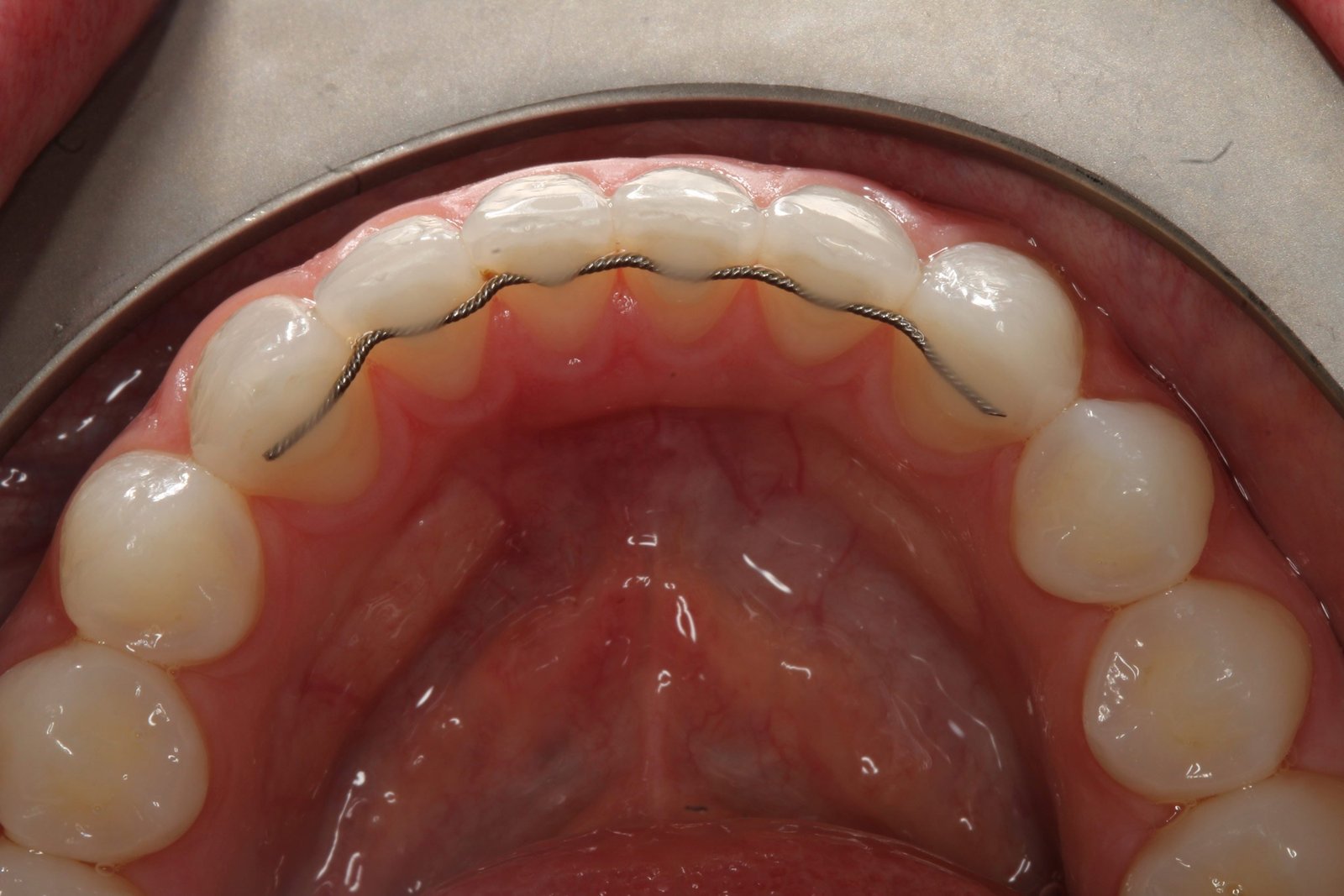
A fixed wire retainer behind the front teeth after treatment
Image source: Dental Smiles Flagstaff, fixed-retainer guide
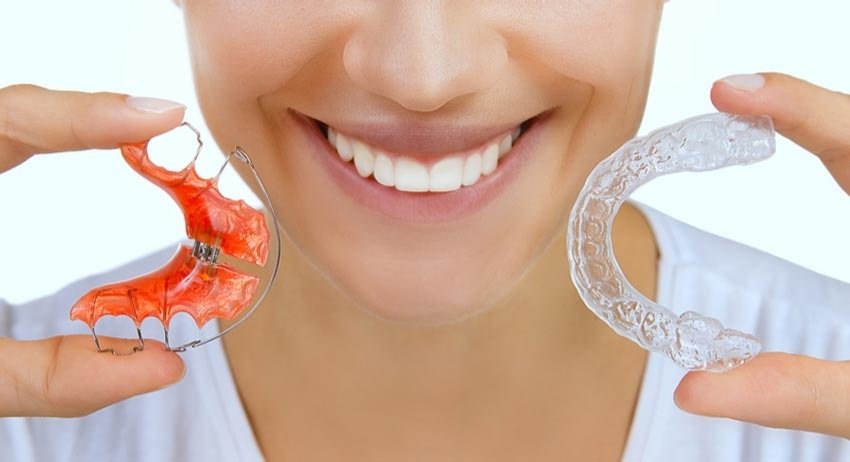
Examples of a fixed retainer and a removable clear retainer
Image source: Alignerco, educational article about retainer types
Clean the retainer as instructed and contact the clinic if it breaks, becomes painful or no longer fits. Do not stop wearing it on your own; retention is part of the treatment plan. [6]
How to interpret before-and-after photographs
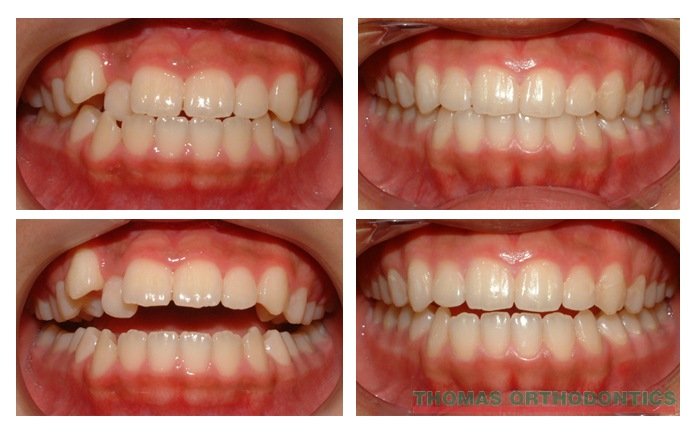
Clinical example of crowding before and after treatment
Image source: Thomas Orthodontics, treatment case gallery
Case photographs show the changes achieved for one particular patient, but they do not guarantee the same result or duration for another. Cases differ in diagnosis, required movements, growth and response to treatment. Appropriate permission must also be obtained before using patient photographs in publication or marketing.
Well-known companies and brands
Several companies offer braces, aligners or digital tools for orthodontics. Recognized brands include Invisalign® from Align Technology, Damon™ and Spark™ from Ormco, and Clarity™ from 3M. Companies such as American Orthodontics also offer a range of orthodontic products, while 3Shape provides dental scanners and digital software.
These names are included to describe the market, not to recommend a particular product. Availability varies by country and clinic, and brand recognition alone does not establish suitability. The orthodontist selects an appliance according to the diagnosis, treatment plan, experience and follow-up. [2, 7]
Questions to ask at the consultation
• What is the specific diagnosis, and what problem is the treatment intended to address?
• Is the problem related to the teeth, the jaw relationship or both?
• What options are available, and why do you recommend this appliance?
• Do I need treatment for tooth decay or gum problems before starting?
• What is the estimated duration and number of visits? What could change the timeline?
• What type of retainer is likely to be recommended after treatment?
Frequently asked questions about orthodontics
Can adults have orthodontic treatment?
Adults can request an orthodontic assessment. The orthodontist determines suitability after examining the teeth, gums, bone, restorations and health status; age alone is not the deciding factor.
Are clear aligners suitable for every case?
No. Aligners can treat many cases, but others may need fixed braces, auxiliaries or a different plan. Aligners also depend on wearing them as instructed. [2, 4]
Does orthodontic treatment hurt?
Temporary pressure or discomfort may occur when treatment begins or after an appliance is adjusted. Experiences differ. Severe or persistent pain, or a sore that does not improve, should be discussed with the clinic.
Is a popular appliance faster?
A brand name alone does not prove that an appliance is faster or more suitable. Duration is influenced by diagnosis, required movements, tooth response and adherence to visits and instructions.
Will I need a retainer after treatment?
Many patients are prescribed a retainer after active tooth movement ends. The orthodontist specifies the type and schedule. Following the plan helps maintain alignment. [6, 8]
Can a digital scan replace X-rays and an examination?
No. A digital scan records tooth surfaces, while a clinical examination and X-rays answer other diagnostic questions when needed. The orthodontist chooses records appropriate to the case.
Can I stop treatment once my teeth look straight?
Do not stop wearing the appliance, change aligners or skip reviews based only on appearance. The plan may also correct the bite or tooth movements that are not obvious in a front-facing smile. Discuss any request to change the plan with the orthodontist.
Conclusion
Orthodontic options include metal, ceramic and lingual braces as well as clear aligners. A plan may also include elastics, attachments or auxiliary appliances. Scanning and digital planning can support some stages of care, but they do not replace diagnosis and follow-up. Treatment starts with an orthodontic examination and a clear discussion of the plan; its success also depends on daily care, attending reviews and wearing the prescribed retainer.
Impala Dental provides this material for general education and to support discussion between patients and orthodontists. This article and its photographs do not replace a clinical examination or individualized medical advice.
Medical references
1. NHS, Braces and orthodontics — Source link
2. American Association of Orthodontists, How braces work — Source link
3. American Association of Orthodontists, What are ceramic braces? — Source link
4. American Association of Orthodontists, Braces vs. clear aligners — Source link
5. American Association of Orthodontists, Living with braces — Source link
6. American Association of Orthodontists, Are retainers necessary? — Source link
7. Ormco, Orthodontic products — Source link
8. British Orthodontic Society, Retainers — Source link
9. British Orthodontic Society, Orthodontics for adults: before treatment — Source link
10. NHS, Braces and orthodontics — Source link
11. American Association of Orthodontists, Oral hygiene during treatment — Source link
12. British Orthodontic Society, Risks of orthodontic treatment — Source link
13. British Orthodontic Society, Looking after your braces — Source link
Image sources
Metal braces image: Chinese Medical Association — Source page
Ceramic braces images: University Hospital Ulm and Kingston Orthodontics — Source pages
Lingual braces image: Kingston Orthodontics — Source page
Aligner image: Arc Dental — Source page
Attachment image: Sapporo MA Orthodontics — Source page
Elastics image: Rovnatka Orto — Source page
Digital scan image: Hall Orthodontics & TMJ — Source page
Retainer images: Dental Smiles Flagstaff and Alignerco — Source pages
Before-and-after image: Thomas Orthodontics — Source page
Deep-bite images: Phelan Orthodontics — Source page
Open-bite images: Palladium Orthodontics — Source page
Crossbite images: Milk Orthodontics — Source page
Protruding front teeth images: Akirado Dental Clinic — Source page
Impacted canine images: Dr. Grace Orthodontics — Source page