
General and preventive dentistry
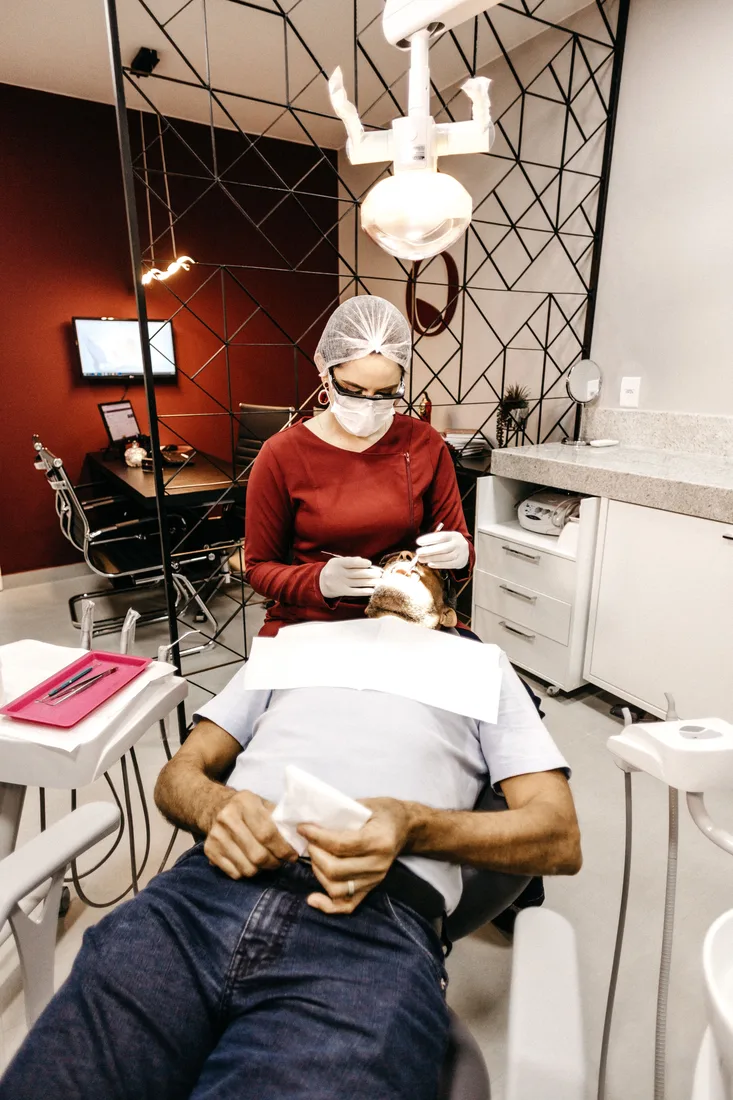
General dentistry combines checkups, prevention and treatment of common problems at different stages.
At a general visit, the dentist checks your teeth and gums and discusses what needs attention first. Your plan may include cleaning, a restoration or monitoring a change. Identifying what increases your risk of decay or inflammation helps you choose preventive steps you can follow at home. At Impala Dental, your dentist helps you understand the options and choose an approach for your needs.
- Regular Dental Checkups
- Professional Cleaning and Tartar Removal
- Tooth Decay and Fillings
- Fluoride for Cavity Prevention
- Dental Sealants
- Night Guards and Sports Mouthguards
Regular Dental Checkups
Regular checkups help detect changes in your teeth and gums and monitor existing fillings and dental restorations.
The dentist asks about new concerns, such as sensitivity or trouble cleaning, and examines areas that need attention. A targeted X-ray may supplement the examination if there is a specific reason for one. The timing of your next checkup depends on your dental history and current oral health.
Professional Cleaning and Tartar Removal
Dental instruments remove hardened deposits that brushing cannot clear.
The dentist checks where tartar has built up and examines your gums to decide how far the cleaning needs to extend. The team can show you how to clean areas that collect deposits repeatedly, such as behind the front teeth or around dental restorations. Follow-up depends on how the gums respond.
Tooth Decay and Fillings
Treatment for tooth decay depends on how deep it extends and whether the tooth surface is intact.
Some early areas of decay can be managed with preventive care while the surface remains intact. A cavity may need a filling to restore the tooth’s shape. When placing a filling, the dentist checks its edges and how it contacts the neighboring tooth, then explains how to reduce the risk of decay returning in that area.
Fluoride for Cavity Prevention
Fluoride helps protect enamel as part of a plan to prevent tooth decay.
Fluoride is found in toothpaste, and the dentist may recommend applying it in the clinic if your risk of decay is higher. For children, the amount of toothpaste and how it is used depend on age. Regular brushing and limiting how often you consume sugary foods and drinks are also part of prevention.
Dental Sealants
Sealants protect some chewing surfaces with deep grooves that are difficult to clean.
The dentist examines the molar to determine whether a sealant is suitable. If the conditions are right for it to bond, the material is placed in the grooves. At follow-up, the dentist checks that the sealant is intact and still covers the intended area.
Night Guards and Sports Mouthguards
A sports mouthguard serves a different purpose from an appliance worn during sleep.
A sports mouthguard absorbs some of the impact from a blow during certain activities. A night guard may help protect teeth from grinding forces. The design depends on its purpose, fit and comfort. Ask how to clean it and when it should be replaced if jaw growth or changes in tooth shape affect the fit.